How Bitcoin is Transforming Online Casino Payments in Canada: A 2026 Guide to Safe, Fast, and Anonymous Crypto Gambling
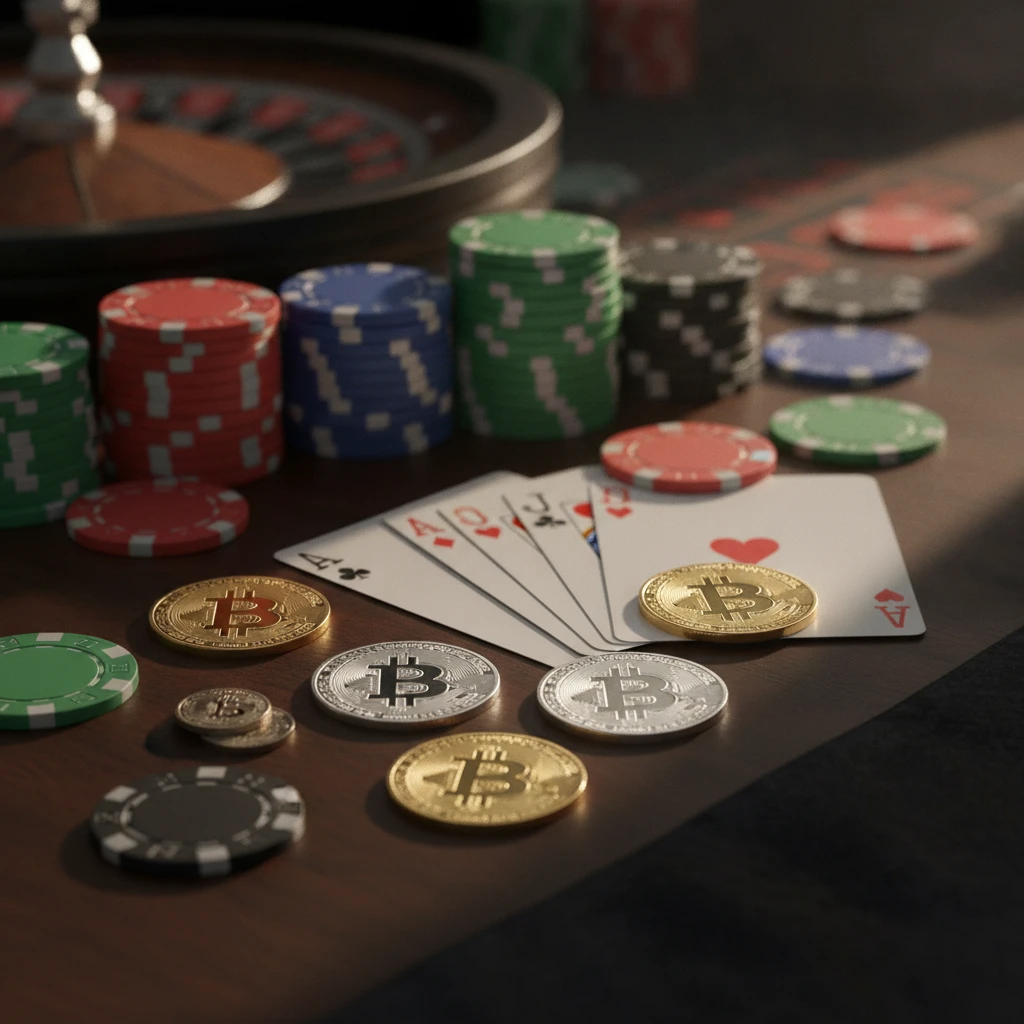
I've watched the Canadian online gambling scene shift for years now, and honestly, nothing's changed the landscape quite like Bitcoin. What used to be a curiosity for the tech-savvy crowd has turned into a mainstream payment option at casinos serving Canadian players. Pop into any crypto gambling forum today and you'll find Canadians comparing wallet apps the same way they used to compare Interac e-transfer processing times. So in this guide, I'm breaking down why that shift happened, how the mechanics actually work, and what you need to know to gamble with Bitcoin safely — and responsibly — in 2026.
Why Canadian Players Are Turning to Bitcoin for Online Gambling
This move toward crypto wasn't accidental. Canadian players have real, practical reasons for picking Bitcoin over traditional banking rails, and most of them come down to three things: speed, cost, and freedom from restrictive financial institutions.
The Limitations of Traditional Payment Methods
If you've ever tried depositing at an online casino with a Canadian credit card, you've probably hit a wall at some point. Many banks flag — or just outright block — gambling-related transactions, treating them like a suspicious overseas purchase. E-wallets like PayPal have tightened their policies around gambling merchants too, leaving players scrambling for alternatives. Bank wires? Three to five business days to clear. That's an eternity when you're trying to catch a weekend tournament or a time-sensitive bonus offer.
These friction points pushed a lot of players — myself included, at one point — to start looking at crypto as a workaround that actually respects your time.
Bitcoin's Role in the Broader iGaming Shift
Casinos catering to Canadian players noticed this frustration early and adapted fast. Most reputable platforms now run dual payment infrastructures: traditional fiat rails sitting right alongside dedicated BTC wallets, often with instant conversion tools built into the cashier page. This isn't a fringe feature anymore. It's a competitive necessity. Operators who ignored crypto integration a few years back are now scrambling to catch up with sites that built Bitcoin support into their core systems from day one.
How Bitcoin Transactions Work at Online Casinos
For anyone who hasn't dipped into crypto gambling yet, the process is simpler than it sounds. You don't need to be a blockchain developer to make it work — just a wallet, an exchange account, and a bit of patience the first time around.
Step-by-Step Deposit and Withdrawal Process
- Set up a wallet: Choose a reputable software wallet, or better yet, a hardware wallet if you're holding larger balances.
- Buy BTC on a Canadian exchange: Platforms regulated to operate in Canada let you purchase Bitcoin using Interac or bank transfer.
- Transfer to the casino: Copy the casino's deposit address, send your BTC, and wait for network confirmations — usually 10 to 30 minutes depending on how congested the network is.
- Play and withdraw: Once you're ready to cash out, request a withdrawal to your personal wallet address. Many crypto casinos process this within an hour, compared to the days-long wait typical of bank wires.
Speed and Cost Advantages Over Traditional Banking
This is where Bitcoin really earns its reputation with Canadian players. Traditional banking rails were never built with instant global transactions in mind, and it shows — every single time.
- Bank wire withdrawal: 3-5 business days, often with flat fees of $25-$50 CAD.
- Credit card deposit: Instant, but frequently blocked outright by issuing banks.
- Bitcoin deposit: 10-30 minutes, network fee usually under a few dollars.
- Bitcoin withdrawal: Often processed within the hour, sometimes instantly on Layer 2 networks.
Line it up like that, and it's easy to see why so many players have switched entirely over to crypto for managing their gambling bankroll.
Anonymity, Privacy, and Security Considerations
One of the biggest draws of crypto gambling is privacy — your bank statement won't show a line item that reads 'Online Casino Deposit.' Instead, you're sending funds from a pseudonymous wallet address. That said, I need to be clear about something a lot of marketing material glosses over: anonymous doesn't mean untraceable. Bitcoin runs on a public ledger, and every transaction gets permanently recorded. With enough effort, wallet addresses can sometimes get linked back to real identities, especially if you're using exchanges that require KYC verification.
Security-wise, the basics still apply. Use a hardware wallet for anything significant, turn on two-factor authentication everywhere, and double-check URLs before you type in wallet credentials — phishing sites mimicking legitimate casinos are, unfortunately, pretty common.
Choosing a Licensed and Secure Bitcoin Casino
Not every site accepting Bitcoin is trustworthy. Before depositing, check for licensing from recognized authorities like the Kahnawake Gaming Commission or Curacao eGaming. Look for provably fair game mechanics — these let you independently verify that outcomes weren't rigged — and search for third-party audited RNG certifications. A few minutes of due diligence here can save you a lot of headaches later.
Responsible Gambling in the Age of Crypto Casinos
The speed and privacy that make Bitcoin gambling appealing can also work against you. When deposits clear in minutes and there's no bank intermediary pausing to ask questions, it's easy to slip into impulsive betting patterns without even noticing. I always recommend setting deposit limits and session time-outs directly through the casino's account tools before you start playing — not after you've already noticed a problem.
For Canadian players seeking support or more information on managing gambling habits safely, resources like online casino bitcoin through IPAC-AMAC offer guidance on recognizing problem gambling patterns and finding help when things start to feel out of control.
Common Mistakes to Avoid When Gambling with Bitcoin
- Using unregulated or offshore exchanges with no fraud protection.
- Losing or failing to securely back up your wallet's seed phrase.
- Falling for fake 'Bitcoin casino' clones designed purely to steal deposits.
- Not checking withdrawal limits before committing a large bankroll.
- Ignoring BTC price volatility — a winning session can lose value overnight if the market swings.
The Future of Crypto Gambling in Canada
Looking ahead, I expect Canadian regulators to pay closer attention to crypto gambling payments as adoption keeps climbing. Stablecoins are already gaining traction alongside Bitcoin, since they offer the speed benefits of crypto without the volatility risk. Whether provincial gambling authorities roll out specific crypto-focused guidelines remains to be seen. But the trajectory is clear enough — Bitcoin isn't a passing trend in this industry. It's becoming infrastructure.
Conclusion
Bitcoin has genuinely reshaped how Canadians interact with online casinos: faster deposits, lower fees, and a layer of privacy that traditional banking simply can't match. But none of that comes without trade-offs. Price volatility, scam sites, and the ease of impulsive betting are real risks that deserve just as much attention as the benefits.
My advice? Enjoy the convenience, but pair it with the same discipline you'd apply to any other form of gambling. The tools for safe, informed play exist. Use them.